In the field of biomedical engineering, the research and application of physiological bioelectrical signals such as electroencephalography (EEG), electromyography (EMG), and electrocardiography (ECG) are rapidly advancing. These signals reflect the activity of critical biological systems, including the nervous, muscular, and cardiovascular systems. As such, they play an essential role in supporting disease diagnosis and monitoring, developing assistive medical devices, and building human-machine interaction systems, including Brain-Computer Interfaces (BCI).
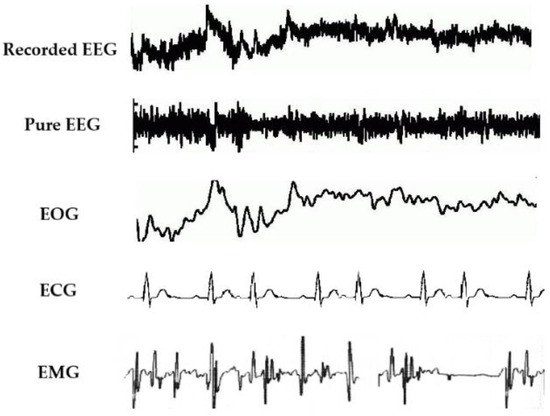
The acquisition of physiological bioelectrical signals requires the use of specialized devices that offer accurate measurements, user-friendly operation, and suitability for specific applications. Currently, EEG headsets from Emotiv—such as the Emotiv EPOC+ and Emotiv Insight—are widely used in research due to their ability to capture multichannel brain signals wirelessly, with built-in signal processing software for added convenience. For electromyographic (EMG) signals, the MindRove Armband serves as an optimal solution by enabling the measurement of EMG activity from multiple muscles in the arm through integrated electrodes, supporting real-time muscle movement data acquisition. Meanwhile, ECG signals can be recorded using portable electrocardiograph devices or high-precision wireless systems, allowing for continuous heart rate monitoring in both research and clinical applications.
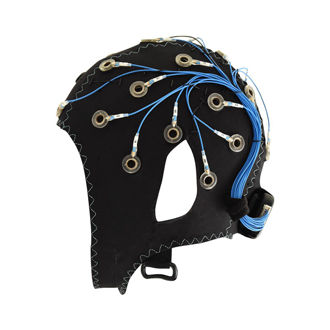
Emotiv 32 channel

Emotiv 14 channel

The MindRove Armband captures EMG signals
After acquisition, raw physiological signals are often noisy and require preprocessing before analysis. To accomplish this, knowledge of programming and digital signal processing becomes essential. Programming languages such as Python and MATLAB are widely used due to their rich ecosystems and strong support for biomedical data processing tasks. Python offers many useful libraries such as NumPy, SciPy, MNE, and Matplotlib for signal filtering, noise removal, feature extraction, and signal visualization. MATLAB is also a powerful tool, equipped with specialized toolboxes such as Signal Processing Toolbox, BioSig, and EEGLAB, making it well-suited for processing EEG, EMG, and ECG data.
Next, the process of signal classification and recognition is typically carried out using Machine Learning (ML) and Deep Learning (DL) techniques. Traditional ML algorithms such as K-Nearest Neighbors (KNN), Support Vector Machine (SVM), and Random Forest are applied to classify preprocessed signal data. In addition, deep learning models like Convolutional Neural Networks (CNNs), Recurrent Neural Networks (RNNs), and Long Short-Term Memory (LSTM) networks are increasingly emphasized due to their ability to automatically learn complex features and achieve high accuracy in identifying mental states, motor activities, or cardiac rhythm disorders.
This research direction not only contributes to the modernization of diagnostic and therapeutic tools in medicine but also opens up a wide range of potential applications, such as brainwave-controlled devices, the development of intelligent rehabilitation systems, and real-time personal health monitoring. The integration of biomedical engineering, programming, and artificial intelligence is shaping a promising interdisciplinary trend for the future of modern healthcare.
